| |
What makes our business so special?
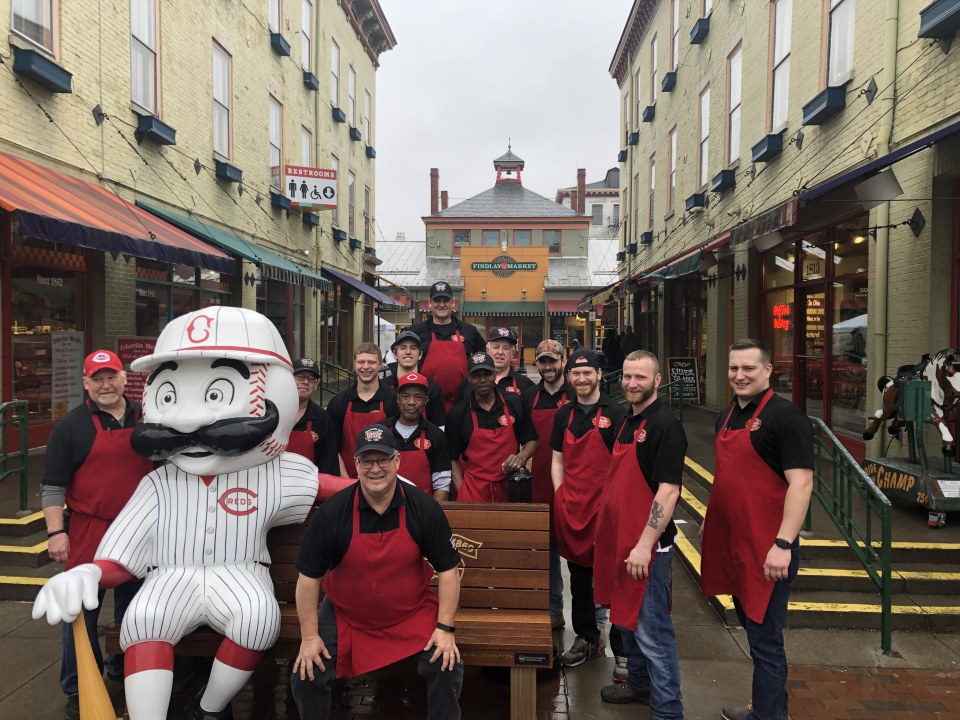
Eckerlin Meats at Findlay Market is an old-fashioned butcher shop that has been family owned and operated since 1852. Our store is located at Findlay Market, 116 West Elder Street, in Cincinnati, OH. We are well known as "the place to get homemade Award-Winning Goetta."
What are some of our specialties?
Eckerlin Meats at Findlay Market specializes in providing its customers with not only fresh-cut meats but also top-notch service. So, whether you are looking for a mouth-watering rib eye steak or filet mignon, or serving brats, metts, and burgers at your next family gathering, Eckerlin Meats can get you what you need.
|
|
 |
|
|
| |